
Doxing 2026
A short guide to this year’s CPH:DOX for arthouse and experimental film fiends.


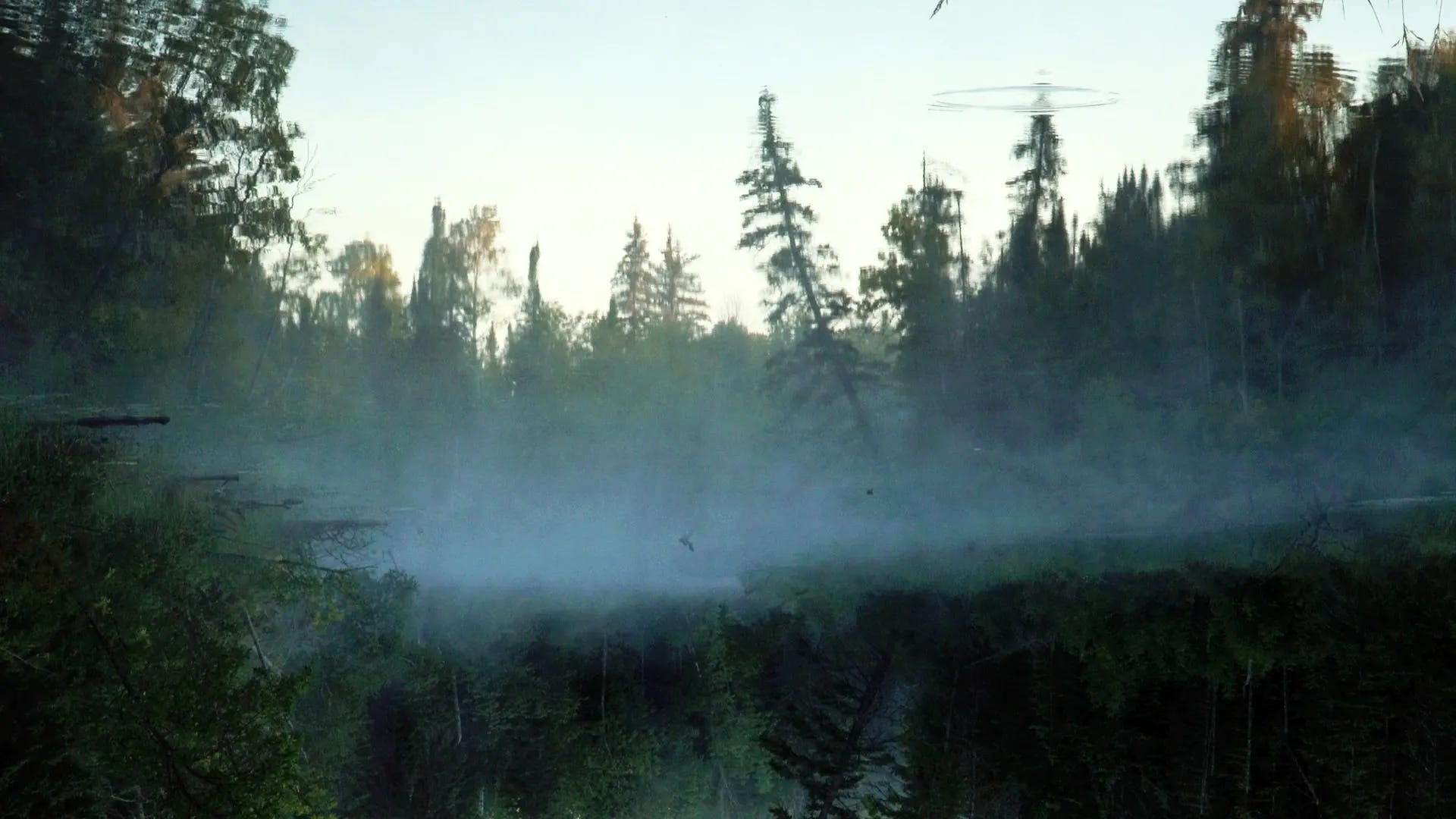
Kicking off today at various locations across Copenhagen and beyond, the 23rd edition of the Copenhagen International Documentary Film Festival runs until March 22nd. There are 74 films in competition, as well as additional programs and screenings with a focus ranging from conventional, informative documentaries to experimental and hybrid forms featuring both famous names and debutants.
Due to the sheer volume of the program and its mishmash of broad and niche appeal, attempting to navigate it and determine what will actually be good can take days and result in a headache before you’ve even started watching three films a day. Even years of experience yield little more than recognizing a name here or there or making a slightly more educated guess about whether a film is as good as its description suggests.
Those looking for a more didactic documentary experience should best search for topics of interest, bearing in mind details such as the film’s colonial-gaze potential (where the director/production is from vs. where the film takes place), the likelihood of the film ending up on streaming platforms versus remaining in the festival circuit, and whether it appears to be an exciting cinematic experience worth seeing on the big screen.
Admittedly, it’s a bit of a guessing game for anyone not closely tied to the documentary festival circuit. Many of the movies are world premieres, so there are no reviews available, and many of them are debuts, thus rendering judgment on the director’s previous track record impossible. (It is, however, highly commendable of CPH:DOX to give a chance to up-and-coming filmmakers instead of relying on star power to carry the competition, even though it has become one of the biggest documentary film festivals in Europe.)
Considering the portion of the program with some references detectable to yours truly, here is a brief, entirely subjective selection that is somewhat ignorant of the main competition program and focuses especially, but not exclusively, on the Parafictions, Artists & Auteurs, and New:Vision categories.
Experimental film icon and two-time CPH:DOX award winner Ben Rivers, whose work might be familiar to some fellow music geeks from Félicia Atkinson’s A/V performance at the 2022 CPH:DOX, is back with the trippy post-apocalyptic film Mare’s Nest. Another peculiar road trip takes the form of a search for a missing photographer in Georgian director Alexandre Koberidze’s Dry Leaf. Shot on an old Sony Ericsson mobile phone, the film ranked high on many trusted sources’ 2025 year-end lists, so I’m eager to see what all the hype is about. The Romanian provocateur Radu Jude returns with his myth-deconstructing AI extravaganza Dracula; and some other notable Parafictions films include Barrio Triste, a Colombian hit scored by Arca and produced by Harmony Korine, as well as Redoubt, the new film by John Skoog, whose 2019 film The Ridge, won CPH: DOX that year.
The Artists & Auteurs category has been known to feature anyone fitting the broad description, from the biggest names in contemporary independent cinema to recently graduated visual artists. Nevertheless, it often hides the brightest gems. Argentinian director (and national treasure) Lucrecia Martel, known for masterful dissections of bourgeois life and colonialism in her brilliant narrative films, presents her first documentary feature. Landmarks grapples with neo-colonialism by following an investigation into the murder of an indigenous leader. The Portuguese film The Seasons is the latest work from Maureen Fazendeiro, who co-directed The Tsugua Diaries, a personal highlight of CPH:DOX 2022 and an instant classic of the pandemic era. Expecting beautiful analog shots and a dose of quirky humor.
Holy Destructors, a conceptual film essay by Lithuanian filmmaker Aistė Žegulytė, balances decay and preservation – holding a particular appeal for those whose interests lie at the intersection of art history and, um, fungi. Below the Clouds, a new documentary by renowned Italian director Gianfranco Rosi, features a soundtrack by Daniel Blumberg, that guy who gave a shout-out to the London music venue Cafe Oto in his Oscar acceptance speech for The Brutalist original score last year. Docu-film star Joshua Oppenheimer is back with a short film, The Revolution Against Death.
While there may be no films by the likes of Wang Bing or the late Frederick Wiseman this year, fans of durational documentary experiences need not fear. You can spend a whole Saturday at Cinemateket with Peter Mettler’s seven-hour philosophical epic While the Green Grass Grows: A Diary in Seven Parts.
For those who might prefer a shorter, yet still experimental format, the New:Vision category features a variety of shapes and sizes. We get to see the new film by the heavyweight Apichatpong Weerasethakul (another one with Tilda Swinton), a collaboration between artist Ed Atkins and Steven Zultanski, and a short film by The Other Film Club’s own Aida Berisha, among others.
Okay, I’ll stop there. There are so many interesting things in the festival’s other categories that it’s impossible to cover all the potential highlights. We’ll see about that once it’s all over, but I’m also curious to hear others’ recommendations as the festival unfolds!